
Qualitative Research: Ethnography
All too often we make the mistake of focusing on final products or services instead of their use. I use various qualitative methods to try and understand why and how people are users. Behaviour is always contextual and thus if we want to deliver a product or service that really meets user needs, our observations need to focus on people using them in context and in the moment.

Participant Observation
Through the lens of anthropology, behaviour becomes easier to understand, describe and predict. However, research can never stay only a theoretical endeavour and must always include a practical side. The researcher must become part has to become part of the situation, to see and feel clearly what is happening in order to then report on it.
Cultural Probes
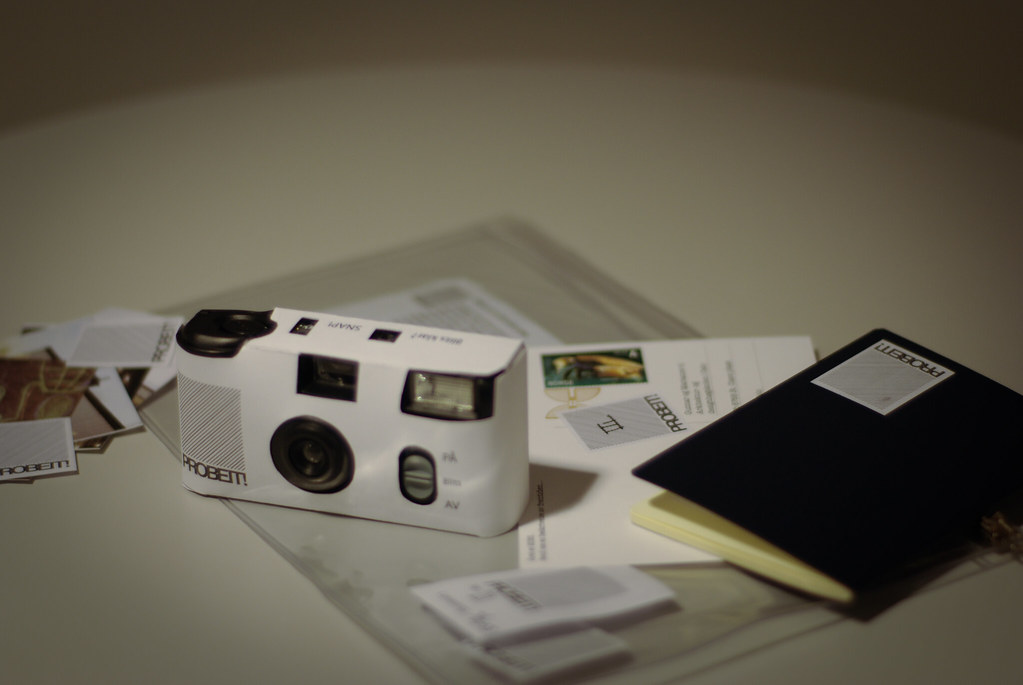
A powerful technique of co-creation, where users are encouraged to inspire the design process with their ideas directly. Small packages including artifacts (such as maps, cameras, postcards and diaries) are prepared along with tasks, allowing participants to record specific events, emotions or interactions. Inspirational responses from people are very fertile ground for a productive ideation phase.

Interviews/ Focus Groups/ Content Analysis
The most important insights for designers come from end-users talking about products and services. However, interviews and focus groups have to go beyond what can be articulated and must include an important observational component of behaviour during the interview. Debriefing of lengthy interviews can only happen after a precise content analysis of what was said and done.
UX Design Research
User Experience (UX) can only be satisfactory if it is based on solid research combined with rapid prototyping. The tools and methods used in UX design apply not only to digital spaces but also products, services and physical spaces
Put on the Lens of Anthropology!
Write me a short message describing your ideas and I am sure we can collaborate!