

Michael Leube, Ph. D.
Design Antrhopologist
Michael Leube will help you see problems like an anthropologist and conceive solutions like a designer. He is on a mission to foster prosocial and sustainable human behavior through business anthropology.
As a university professor, he has taught anthropology, demography, and behavioral sciences for over two decades. He teaches in English, German, and Spanish.
As an innovation research consultant, he applies business anthropology to help businesses and organizations understand people and their behavior. As a result, they can work toward more sustainable and effective solutions.
His approach combines anthropological theory and rigorous field research with design thinking.
Leube is also a science writer and public speaker. His book *The Future Designer: Anthropology Meets Design in Search of Sustainable Solutions* will appear in June 2004 at Routledge. He lives with his wife and two daughters outside of Madrid.
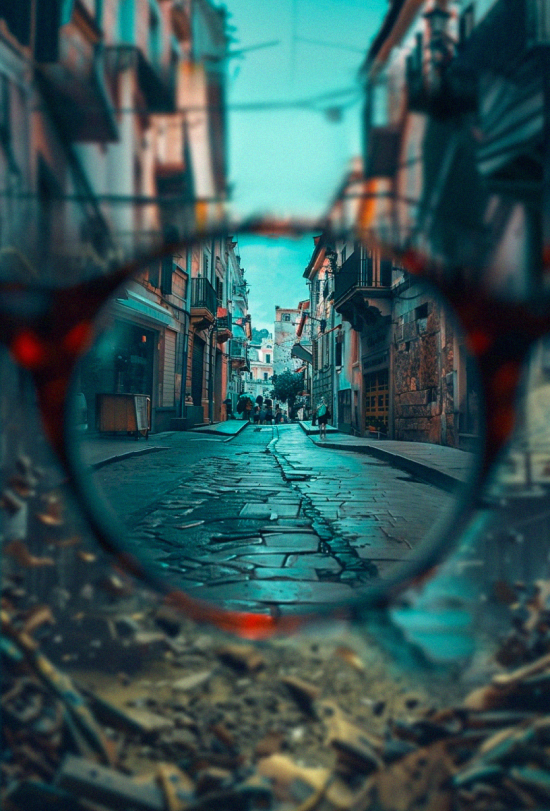

Humans are infinitely adaptive depending on context. Anthropology is a lens bringing focus and clarity to why, when, how and what humans do.
Designing the right context, one that fosters human virtues and leads to real social innovation is tricky precisely because we are often solving the wrong problem.
Only by applying anthropological theory and empirical research can design act as a true catalyst of social innovation. It can literally re-shape the world from materials, product–service systems to social organizations.
Demand by end-users, governmental policy and dwindling raw resources make a transition towards regenerative business models inevitable. The lens of anthropology can help your organization make that change.

Humans are infinitely adaptive depending on context. Anthropology is a lens bringing focus and clarity to why, when, how and what humans do.
Designing the right context, one that fosters human virtues and leads to real social innovation is tricky precisely because we are often solving the wrong problem.
Only by applying anthropological theory and empirical research can design act as a true catalyst of social innovation. It can literally re-shape the world from materials, product–service systems to social organizations.
Demand by end-users, governmental policy and dwindling raw resources make a transition towards regenerative business models inevitable. The lens of anthropology can help your organization make that change.

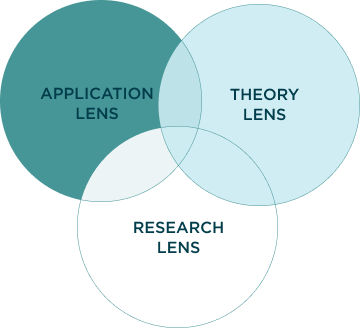
APPLICATION LENS
Broad, deep, and long-term understandings of people in their own environments lead to better solutions. Such solutions can be implemented through a process of co-working between anthropology and design
RESEARCH LENS
Anthropology, as a discipline with a holistic framework, can address complex interconnections of problems. Qualitative design research includes grounded theory, ethnography and cultural probes.

THEORY LENS
Human behaviour evolved as an adaptation to the physical and social environment of the distant past.
Since modern life is changing rapidly, traits that were once features are now bugs.
APPLICATION LENS
Broad, deep, and long-term understandings of people in their own environments lead to better solutions. Such solutions can be implemented through a process of co-working between anthropology and design
APPLICATION LENS
Anthropology, as a discipline with a holistic framework, can address complex interconnections of problems. Qualitative design research includes grounded theory, ethnography and cultural probes.
APPLICATION LENS
Human behaviour evolved as an adaptation to the physical and social environment of the distant past.
Since modern life is changing rapidly, traits that were once features are
now bugs.
The future designer
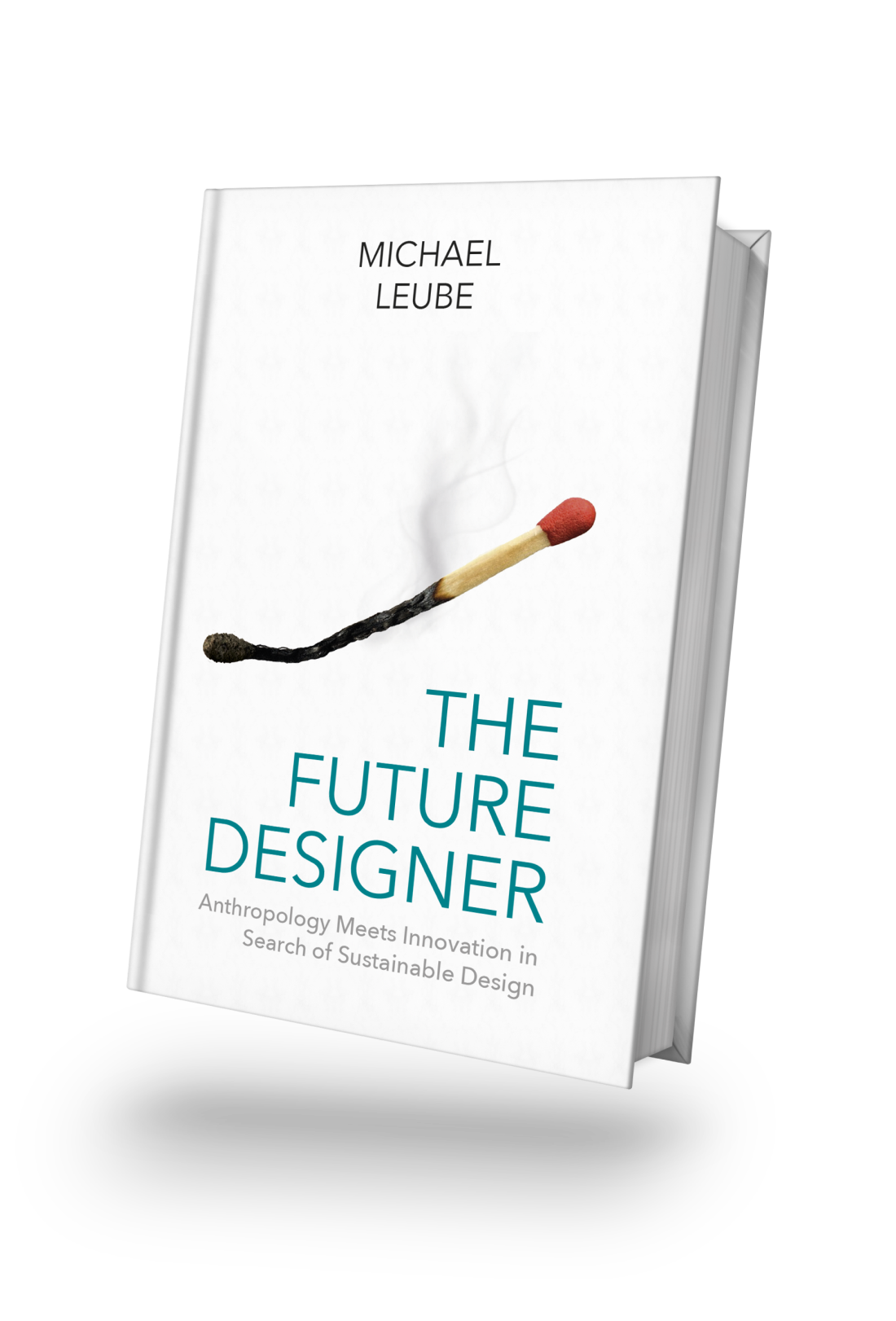
Supported by a vast body of literature in evolutionary science and design research, the book presents a blueprint for fostering more sustainable patterns of production and consumption. This blueprint is grounded in human virtues rather than vices and proposes a new curriculum tailored towards prosociality and sustainability.
Leveraging his extensive professional background and expertise in the circular economy, Michael Leube offers practical examples, methods and tools for implementing sustainable approaches in the practical work of experienced designers. Showcasing cutting edge innovations for pro-social and humanitarian design, the book ultimately argues that if we change the objective of design from creating desire to creating value, we can solve many of the most pressing social problems, from the cooperation of citizens to sustainable cities.
The future designer